
Genotoxicity Testing
Genotoxicity testing serves as a critical safety assessment for medical devices, evaluating their potential to cause genetic damage that could lead to mutations or cancer. As an essential component of biological evaluation required by global regulatory agencies, these tests help identify potential DNA-reactive substances that may leach from device materials during clinical use. Regulatory bodies including the U.S. FDA (ISO 10993-3), European Union Medical Device Regulation (MDR), and other international authorities mandate genotoxicity testing for most implantable and long-term contacting medical devices. At Meditronics, we provide comprehensive genotoxicity testing services to support your medical device development and regulatory compliance, ensuring patient safety while facilitating market approval.
Our Service
Meditronics (a brand of STEMart) provides genotoxicity testing services which strictly comply with international standards including ISO 10993-3 and OECD guidelines. We employ a scientifically validated, tiered testing approach that combines both in vitro and in vivo test systems to thoroughly evaluate potential genotoxic risks:
Bacterial Reverse Mutation Test (Ames Test)
Detects point mutations in specially engineered bacterial strains;
Serves as the primary screening for mutagenic potential.
Mouse Lymphoma Gene Mutation Assay (MLA)
Identifies gene mutations at the thymidine kinase (TK) locus;
Detects both point mutations and chromosomal damage;
Provides quantitative assessment of mutagenic potential.
Chromosomal Aberration (CA) Assay
Evaluates structural chromosomal damage in mammalian cells;
Detects clastogenic effects that may lead to chromosomal abnormalities.
Micronucleus Assay
Assesses chromosomal damage and aneugenic effects;
Can be performed both in vitro (OECD 487) and in vivo (OECD 474).
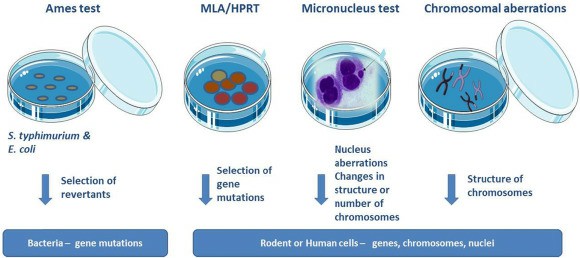 Fig. 1 Standard In-Vitro Genotoxicity Tests 1
Our testing methodology incorporates polar and non-polar extraction techniques to simulate clinical exposure scenarios, ensuring comprehensive evaluation of potential leachables. We customize extraction conditions based on device materials and intended use, following ISO 10993-12 guidance for sample preparation. The combination of these complementary test systems provides a robust assessment of genotoxic potential, covering all major mechanisms of genetic damage.
Why Choose Meditronics?
From initial test selection through final regulatory documentation, Meditronics provides end-to-end support for your genotoxicity testing needs. Our team of PhD-level toxicologists and experienced study directors brings decades of combined experience in medical device testing and regulatory submissions. We offer:
✔ Regulatory-Driven Test Strategies
Our experts design testing programs that meet specific regional requirements, whether for FDA 510(k), PMA, EU MDR, or other global submissions
✔ Material-Specific Approaches
We customize testing protocols based on device materials (polymers, metals, ceramics) and contact duration (limited, prolonged, permanent)
✔ Comprehensive Reporting
Our final reports include detailed data interpretation and regulatory assessment to support your submission package
✔ GLP-Compliant Testing
All studies are conducted under strict Good Laboratory Practice (GLP) conditions
Contact Meditronics today to discuss your medical device genotoxicity testing requirements and discover how our services can streamline your path to regulatory approval and market success.
Reference
- Corvi, R. , & Madia, F. . (2017). "Invitro genotoxicity testing–can the performance be enhanced?" Food and Chemical Toxicology. 106, 600-608. Published under an open access Creative Common CC BY 4.0 license.
Online Inquiry
This site is protected by reCAPTCHA and the Google Privacy Policy and Terms of Service apply.
Need More Information or Request A Quotation?
Related Links
